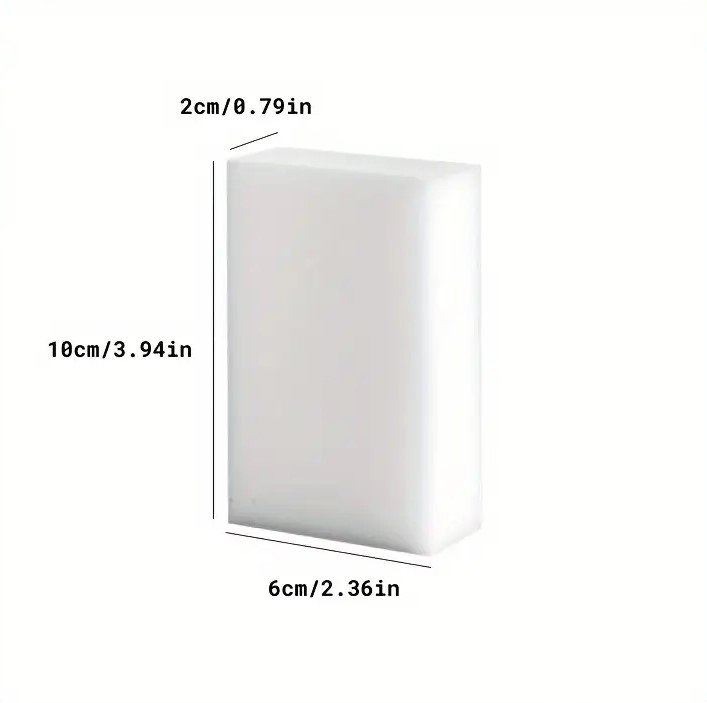
Este produto não é uma planta natural
Ajuda a reduzir a manutenção do aquário, desencorajando o crescimento de muitos dos compostos que causam uma acumulação inestética de matéria orgânica
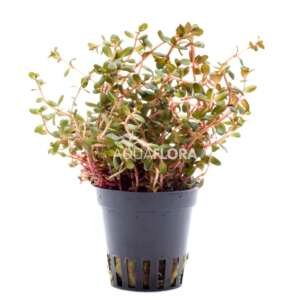
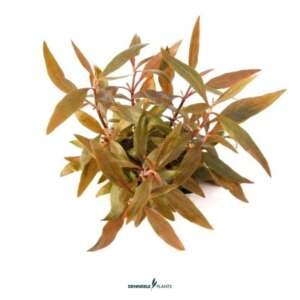
Alternanthera reineckii 'Mini'
This new variety only came onto the market a few years ago, and is a colourful foreground highlight. When cultivated above water, its growth is very similar to other Alternanthera varieties. The compact, miniature format only develops under the water. This little beauty comes highly recommended as a splash of colour for Nano Cubes. For a strong colour contrast, combine with a light green carpet of Hemianthus. Note that a very light, well-lit location is essential.
Disponível (Confirmar stock com a nossa loja - Confirmar: | )
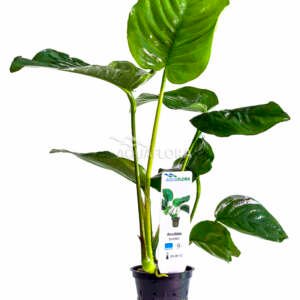
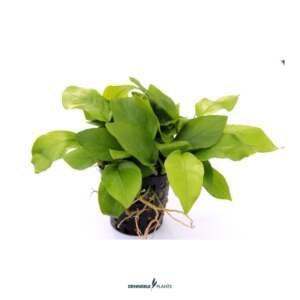
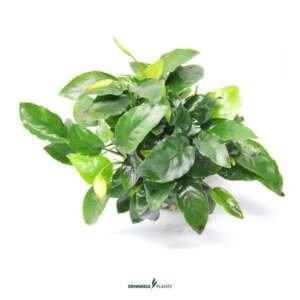
Anubias nana Gold
This is another new variety of dwarf Anubias called 'Gold'. It was discovered during regular cultivation at a nursery in Taiwan. After the isolation period it took several years to establish a stable stock. With leaves ranging in colour from light green to yellow-gold it is significantly different from the other, darker green types of Anubias. Again, it does not do well in very low lighting as this makes the leaves turn a darker colour.
Disponível (Confirmar stock com a nossa loja - Confirmar: | )
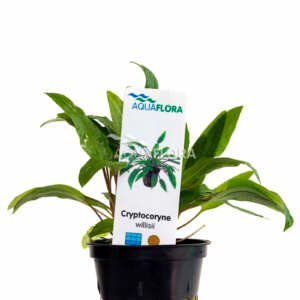
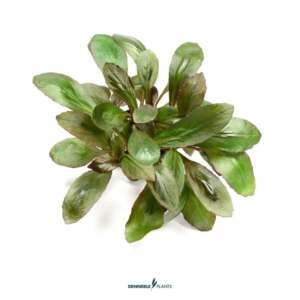
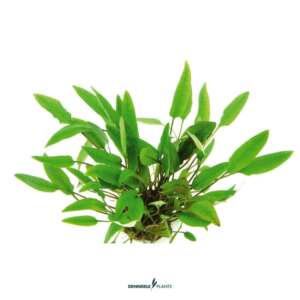
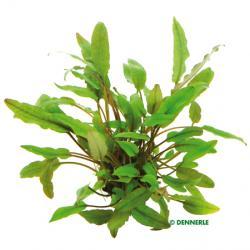
CRYPTOCORYNE BECKETTII
Altura de crescimento10 a 20 cmPaís de origemSri Lanka
UsoNanoCubeTipoRosettenpflanze
FamíliaAraceaeEspéciesCryptocoryne
Criação de animaisAusläuferVelocidade de crescimentoMittel
pH6 a 8Dureza da água10 a 20 ° dh
Dicas
CRIPTOCORIA DE BECKETT
O Sri Lanka é o lar de muitas espécies de criptocoria, incluindo o Cryptocoryne beckettii. Estas plantas também foram cultivadas com sucesso em aquários durante décadas. Na natureza, eles são encontrados em áreas sombreadas perto das margens de córregos e rios, onde crescem anfíbiamente acima e abaixo da linha d'água. A cor de qualquer folha submersa varia em tons de verde e marrom. Coloração de folhas diferente dentro da mesma espécie é típica do gênero Cryptocoryne.
Disponível (Confirmar stock com a nossa loja - Confirmar: | )
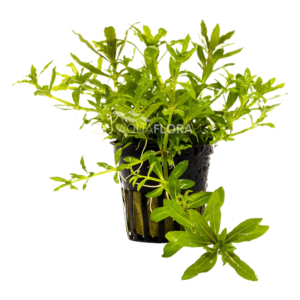
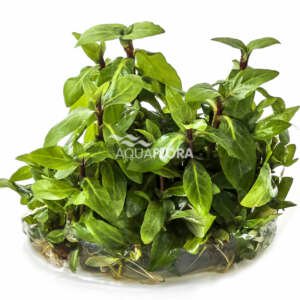
The stem plant Heteranthera zosterifolia is a stunning beauty in the aquarium. The vibrant, light green leaves are up to 5 cm long and grow in an alternating leaf formation. Its requirements are relatively minimal, with good lighting and CO2 fertilisation, growth is compact and fast. It is therefore recommended that the shoots are trimmed regularly. On our Plantahunter tour in Brazil, we saw the plant in the Rio da Prata over several kilometres of river. In fact, we even encountered lush plants in the crystal clear water where it was 2 m deep. The Heteranthera is a plant that is rich in contrast for the midground to background and works especially well in combination with colourful plants such as Rotala rotundifolia.
Disponível (Confirmar stock com a nossa loja - Confirmar: | )
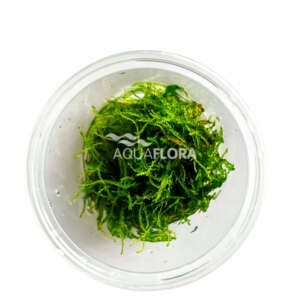
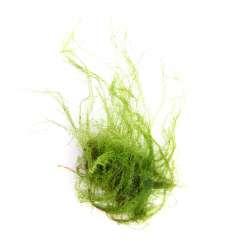
AMBLYSTEGIUM SERPENS IN-VITROrnGrowth height5 - 10 cmOrigin countryKosmopolitrnUsageNanoCubeTypeMoosrnFamilyAmblystegiaceaeSpeciesAmblystegiumrnBreedingdivisionGrowth speedlangsamrnpH5 - 7Water hardness2 - 12 °dhrnHintsrnThis filigree moss, also known as „nano-moss“ is rife in the northern hemisphere as well as in South America and Australia. Like all mosses, the Amblystegium moss is ideal for greening roots and stones and thanks to its very fine and upright shoots an interesting addition to other moss species. Especially important: Fresh and clear water. The fresh light green color looks very contrasting in combination with other shades of green in an underwater landscape.
Disponível (Confirmar stock com a nossa loja - Confirmar: | )
Anubias nana Gold
This is another new variety of dwarf Anubias called 'Gold'. It was discovered during regular cultivation at a nursery in Taiwan. After the isolation period it took several years to establish a stable stock. With leaves ranging in colour from light green to yellow-gold it is significantly different from the other, darker green types of Anubias. Again, it does not do well in very low lighting as this makes the leaves turn a darker colour.
Disponível (Confirmar stock com a nossa loja - Confirmar: | )
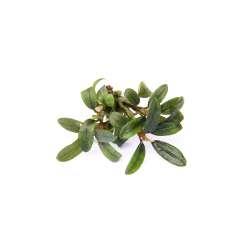
This miniature plant is probably a type of Bucephalandra pygmaea, which generally colonises larger rocks and stones in its natural habitat. It is often also found in a community with larger growing species of Bucephalandra or other arum genera. The 'Mini Needle Leaf' variety is extremely slow-growing and is especially suitable for delicate aquascaping landscapes in the Scaper's tank or Nano Cube. Like all Bucephalandra species, it is easy and simple to care for. The use of small algae cleaners such as Amano shrimps or Clithon snails is recommended.